

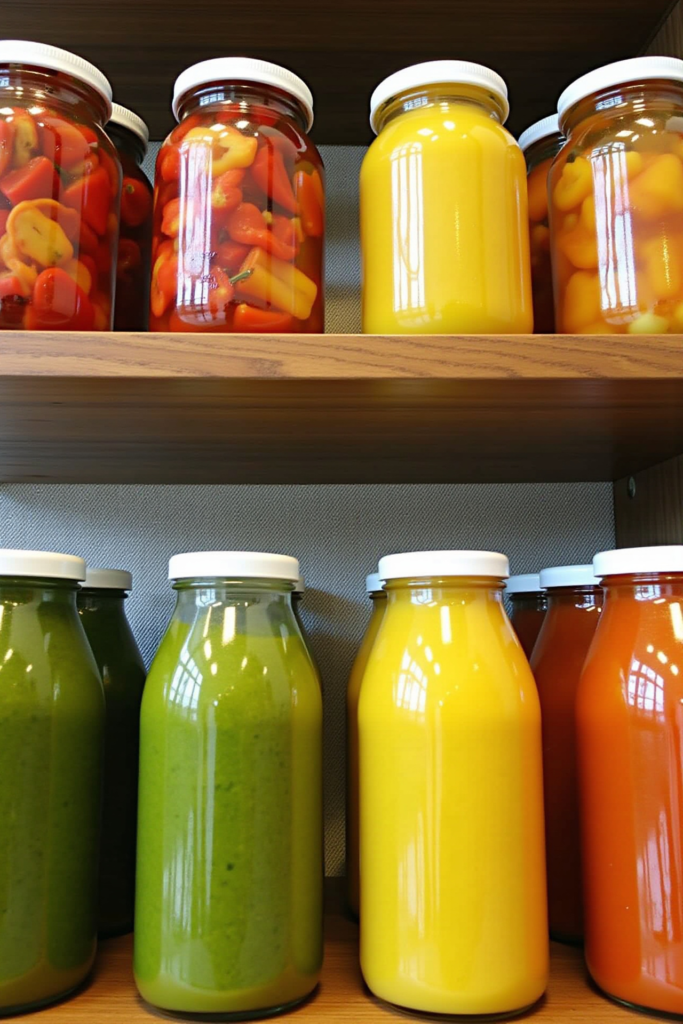

The Best Fermented Hot Sauce
Introduction
Fermented hot sauce delivers bold, vibrant heat flavors that simply can’t be duplicated by store-bought alternatives. The fermentation process adds a tangy complexity and depth, elevating any dish—from tacos to eggs to grilled proteins. It’s the ultimate way to capture peak-season chili flavors with minimal effort and only a handful of ingredients.
Why Make Fermented Hot Sauce?
This recipe is a game-changer because fermentation mellows out harsh raw chili heat and unlocks deep umami notes. With just a few fresh ingredients and patience, you’ll create a uniquely tangy, spicy condiment that’s as much at home drizzled over pizza as it is mixed into marinades. Plus, it’s incredibly customizable—adjust your pepper choices for more fire or fruitiness.
The Key to Outstanding Flavor: Lacto-Fermentation
Lacto-fermentation transforms fresh chilies, garlic, and other aromatics into a complex, probiotic-rich sauce that balances heat, acidity, and subtle funk. This method not only preserves your hot peppers for months but also enhances their natural flavor. The salt brine suppresses unwanted bacteria, letting beneficial lactic acid bacteria work their magic and develop the sauce’s signature tang.
Step-by-Step Guide to Homemade Fermented Hot Sauce
Pack your favorite combination of chili peppers, garlic, and optional veggies (like carrots for sweetness or onions for extra depth) into a clean jar, cover with seasoned brine, and let nature take its course. Over about a week, you’ll see bubbles forming as fermentation kicks in. After straining and blending, your hot sauce is ready to bottle and enjoy.
Serving Suggestions for the Best Fermented Hot Sauce
A splash of fermented hot sauce brightens any savory dish. Stir it into soups, brush it over grilled vegetables, or swirl it into yogurt for a quick dip. Its punchy heat and mellow tang make it a secret weapon in everything from dressings to breakfast scrambles.
Nutritional Information and Serving Size
This recipe yields roughly two cups of finished hot sauce. Because it’s packed with fresh ingredients and probiotics from fermentation, it provides a flavorful nutritional boost. Each tablespoon contains approximately 5 calories, negligible fat, and beneficial live cultures—making it a healthier, low-sodium alternative to many commercial brands.
The Best Fermented Hot Sauce (Recap)
With minimal prep and a bit of patience, you can master the art of fermented hot sauce. Its full-bodied, fiery flavor will have you reaching for your homemade bottle again and again—proof that simple ingredients and natural processes create the best condiments.
Ingredients
💡Meal Planning Tip: Save this recipe with CookifyAI and automatically receive a neatly organized, store-sectioned shopping list. This makes it simple to gather all your hot sauce ingredients—plus anything else you’ll need for the week—in one easy grocery trip.

Instructions
- Wash and roughly chop the chili peppers, removing stems (leave seeds for more heat). Chop carrot or onion if using.
- Pile chilies, garlic, and optional veggies into a clean, quart-sized glass jar, packing them down gently.
- In a bowl, dissolve the salt in filtered water to create the brine.
- Pour brine over the chilies until completely submerged. Use a fermentation weight or a small, clean glass to keep veggies below the brine surface.
- Cover the jar with a lid or cloth secured with a rubber band (if using cloth, this lets gas escape), and set at room temperature (out of direct sunlight) for 5–10 days. Check daily for bubbles (a sign of healthy fermentation). Skim away any surface scum.
- Once the mixture is tangy, strain out the solids (reserve the brine), then blend the vegetables with 1/2 cup reserved brine and the vinegar. Add more brine if needed for thinner consistency. (At this point, add sugar or honey if desired for balance.)
- Pour into clean bottles. Store in the refrigerator for up to 6 months. The flavor will continue to mellow and deepen over time.
Weekly Meal Planning
Batching fermented hot sauce is perfect for meal planners and prep enthusiasts. Save and schedule this recipe on CookifyAI to coordinate your week’s meals and automatically organize overlapping ingredients—so you always know exactly what you need.
Planning Benefits:
- Calculates precise ingredient totals if you double or triple the batch
- Builds a color-coded shopping list by produce, pantry, and dairy sections
- Reduces excess buying with ingredient consolidation
- Makes prepping sauces and condiments for the week effortless
Pro tip: When adding hot sauce to your weekly rotation, schedule all your meals to see exact pepper, garlic, and onion quantities needed for every recipe—cutting down on kitchen guesswork and food waste.
Cook and Prep Times
Prep Time: 15 minutes
Fermentation Time: 5–10 days
Blending & Bottling: 10 minutes
Total Time: About 5–10 days (including fermentation)
