


Fermented Fruit Recipes
Introduction
Fermented fruit recipes offer an easy and delicious way to preserve seasonal bounty while unlocking complex flavors and valuable probiotics. Fermentation gently transforms fruit, resulting in vibrant tastes—tangy, effervescent, and often a hint of natural sweetness. Whether you’re looking to boost gut health, add zingy toppings to oatmeal or yogurt, or craft unique snacks, making fermented fruit at home is a simple yet rewarding project that will elevate your meals and snacks alike.
Why Fermented Fruit Recipes Are a Must-Try
Fermentation not only extends the shelf life of fresh fruit but also develops captivating flavor profiles that you can’t find elsewhere—think fizzy blueberries, tangy pineapples, or spiced apples with a mildly sour kick. Plus, home-fermented fruit provides natural probiotics that support digestive health, making it a crowd pleaser for both flavor seekers and wellness enthusiasts.
How to Ferment Fruit at Home
At its core, fruit fermentation requires fruit, a bit of sugar, and either saltwater or a culture (such as whey or a probiotic starter). By creating the right environment, beneficial bacteria naturally convert fruit sugars into lactic acid and small amounts of alcohol, producing a pleasantly tart and slightly bubbly treat. The process is hands-off and straightforward—just ensure your ingredients are clean and submerged under the fermenting liquid!
Versatility of Fermented Fruits
Use fermented fruit as a topping for granola, stir it into yogurt, serve alongside cheese boards, toss it into salads, or blend it into overnight oats. Their unique flavor makes them a fantastic ingredient for both sweet and savory dishes. Experiment with spice additions like ginger, vanilla, or star anise for extra character and complexity.
Serving Suggestions for Fermented Fruits
Brighten up your breakfast with a spoonful of fermented berries or peaches, stir citrusy fermented pineapple into sparkling water for a probiotic soda, or top your next grain bowl with tart apple ferment. Since the flavor intensifies over time, taste as you go and find what works best for your style of meals.
Nutritional Information and Serving Size
A serving of fermented fruit (about 2-4 tablespoons) typically contains the natural sugars from the original fruit, live probiotics, and trace minerals. Each portion is low in calories and makes a nutritious, naturally preserved addition to your daily diet.
Fermented Fruit Recipes Recap
Homemade fermented fruits deliver fresh, complex flavors while encouraging gut health and reducing food waste. Their versatility ensures you’ll find new and creative ways to incorporate them into your routine—whether breakfast, snacks, or even cocktails.
Ingredients
💡Meal Planning Tip: Save this recipe to automatically generate an organized shopping list with all ingredients sorted by store section—perfect for efficient grocery trips and meal planning.

Instructions
- Wash and prepare the fruit. Remove pits, stems, and tough skins as needed. Cut larger fruits into bite-sized pieces.
- Pack the fruit tightly into a clean glass jar, leaving at least 1 inch of headspace at the top.
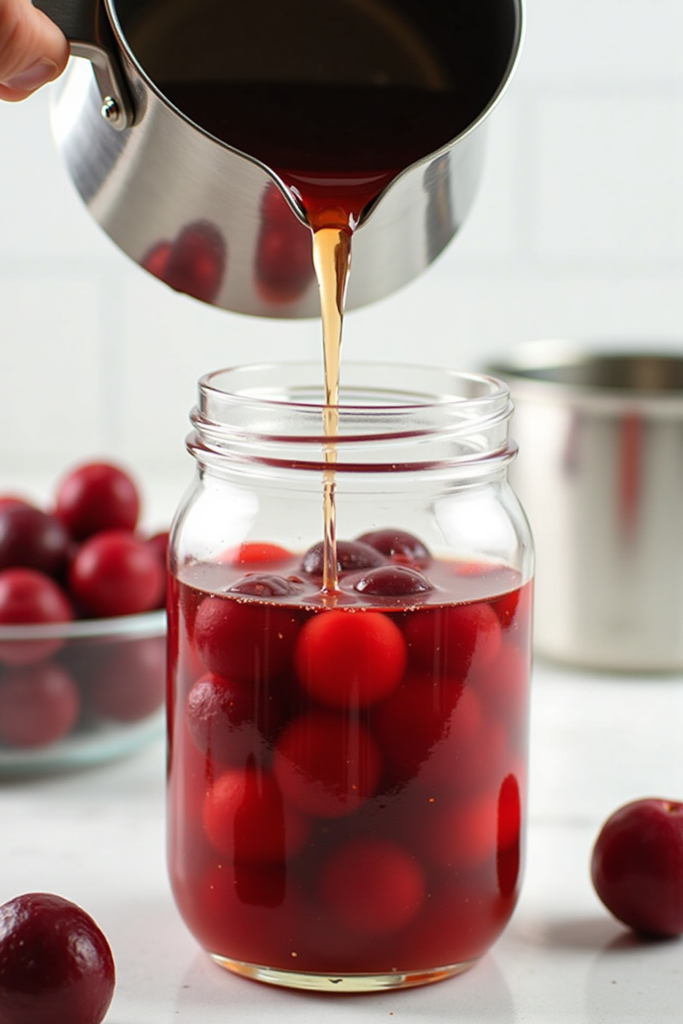
- For a brine method: In a bowl, dissolve salt and sugar (or honey/maple syrup) in filtered water. Pour this brine over the fruit until fully submerged. Weigh down fruit with a fermentation weight or clean, food-grade object to keep it under the liquid.
- For wild fermentation: Sprinkle the sugar directly over the fruit, along with optional starter culture (whey or probiotic powder), mixing gently. The fruit will release juices and self-brine within hours.
- Add any optional spices or aromatics for flavor complexity.
- Seal the jar loosely with a fermenting lid or cover with cheesecloth secured with a rubber band to allow gases to escape.
- Ferment at room temperature out of direct sunlight for 2-5 days. Check daily—when the fruit becomes lightly bubbly and tangy, it’s ready! Stir gently if needed and taste often.
- Transfer to the refrigerator to slow fermentation. Enjoy within 2-3 weeks for best flavor and texture.
Weekly Meal Planning
This fermented fruit recipe is perfect for planning ahead—make a big batch on the weekend and use it as a refreshing addition to breakfasts, salads, or snacks all week long. Save and schedule this recipe to organize your week’s meals and generate smart grocery lists that account for all needed ingredients.
Planning Benefits:
– Automatically calculates ingredient amounts for every meal in your plan
– Organizes your grocery list by store section for fast, frictionless shopping
– Prevents buying extra or running out of produce for your ferments
– Helps you balance fresh meals and preserved items in your meal prep
Pro tip: Use the scheduling feature to align batch fermentation days with market trips or weekend prep sessions. Your shopping list will adjust as you add more recipes, ensuring a well-stocked and waste-free kitchen.
Cook and Prep Times
Prep Time: 10 minutes
Fermentation Time: 2–5 days at room temperature
Total Time: 2–5 days, 10 minutes active prep
Enjoy experimenting with fermented fruit recipes—the easiest way to bring bright flavor and gut-friendly goodness to your table with minimal effort!
