

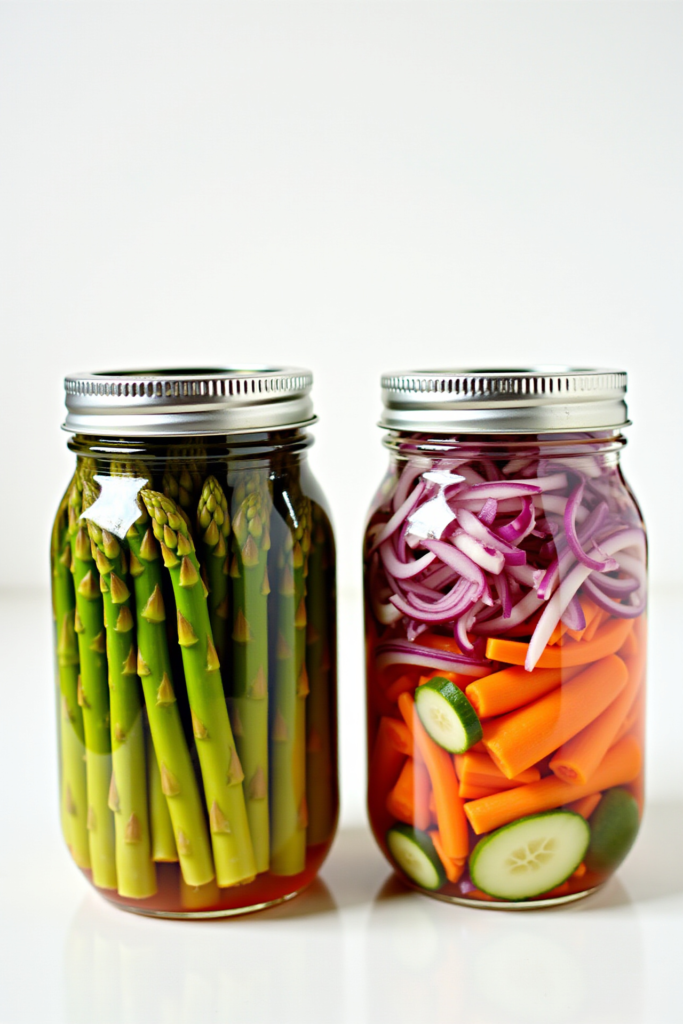

Ferment Fun: Simple Probiotic Delights
Introduction
Looking for a way to boost gut health and flavor your meals with homemade flair? “Ferment Fun: Simple Probiotic Delights” is the perfect recipe for you. Fermented foods pack your dishes with beneficial probiotics, vibrant flavors, and a unique, tangy taste. An easy introduction to fermentation, this delight will impress dinner guests and add a punch of nutrition to your everyday meals.
Why Try Ferment Fun: Simple Probiotic Delights?
This recipe is a standout because it turns basic vegetables and ingredients into crunchy, probiotic-rich snacks with minimal effort. The magic of fermentation transforms the ordinary into the extraordinary; the flavor develops deeper, the texture gets crispier, and you get to enjoy the satisfaction of crafting your own gut-friendly foods—all from scratch.
Understanding the Fermentation Process
Fermentation uses natural bacteria to preserve food, making it tangy, flavorful, and loaded with beneficial probiotics. In this recipe, salt brine is used to create an environment where good bacteria thrive and bad ones are kept at bay. Once set up, nature takes over! Classic choices include cucumbers, carrots, and cabbage, but you can get creative with your favorite veggies.
Easy Steps for Flavorful Probiotic Delights
Wash and cut your vegetables, pack them tightly into a clean jar, and pour over a simple saltwater brine. After sealing, allow them to ferment at room temperature; within days, you’ll have zesty, crisp, and healthy snacks ready to enjoy! Patience is rewarded with each tangy bite.
Serving Suggestions to Enjoy More Ferment Fun
Probiotic delights are perfect as crunchy sides for sandwiches, flavorful toppings for salads, or zesty additions to grain bowls. You can mix them with herbs and olive oil for a lively appetizer, or simply snack on them straight from the jar. However you serve them, you’ll add nutrition and serious flavor.
Nutritional Information and Serving Size
A typical serving (about 1/2 cup) of these fermented probiotic veggies is incredibly low in calories—usually under 40 calories per serving—while packing a punch of beneficial bacteria, fiber, and vitamins. They’re a flavorful way to energize your gut health and meals.
Ferment Fun: Simple Probiotic Delights (Recap)
By fermenting your own veggies, you unlock tangy, gut-friendly snacks that are as exciting to make as they are to eat. This recipe is perfect for anyone eager to add wholesome, homemade probiotic foods to their diet, bringing zesty flavors to every meal with almost no fuss.
Ingredients
💡Meal Planning Tip: Save this recipe to automatically generate an organized shopping list with all ingredients sorted by store section—perfect for efficient grocery trips and streamlined meal planning.

Instructions
- Wash and slice your vegetables into sticks, coins, or shreds, depending on your preference. Pack them tightly into a clean quart-sized glass jar.
- If using, tuck garlic cloves and fresh herbs among the vegetables.
- In a measuring cup, dissolve the sea salt fully into the filtered water to make a brine. Pour the brine over the vegetables, ensuring they are fully submerged.
- If needed, use a fermentation weight or a small, clean jar to keep the veggies submerged under the brine. Seal the jar with a loose lid to allow gases to escape.
- Place the jar at room temperature away from direct sunlight. Let ferment for 3–7 days, tasting daily from day 3 onward—stop when the flavor is pleasantly tangy.
- Once fermented to your liking, transfer the jar to the refrigerator for storage. Enjoy cold as a crunchy, tangy snack or complement to your favorite meals!
Weekly Meal Planning
Fermented treats like these are ideal for meal prep, since they not only last in the fridge for weeks but also enhance salads, grain bowls, and wraps throughout your busy week. Save and schedule this recipe in a meal planner to coordinate your weekly menu and generate smart, consolidated shopping lists.
Planning Benefits:
– Organizes all ingredient lists by grocery aisle for simpler shopping
– Totals up quantities for overlapping ingredients across multiple recipes
– Reduces duplicate purchases, forgotten items, and food waste
– Helps you reliably incorporate probiotic-rich foods into your meals
Pro tip: If another planned recipe calls for fresh herbs, your shopping list will account for the total needed, so you only buy what you’ll use. Try scheduling recipes together for even more shopping efficiency!
Cook and Prep Times
Prep Time: 15 minutes
Fermentation Time: 3–7 days
Total Hands-On Time: 15 minutes (plus passive fermentation)
